

FOMO Psychology During the Year-End Festive Season: How to Overcome It? | Safe and Sound
The year-end holiday season is always a special time of year, filled with gatherings, parties, shopping, and gift-giving. However, psychology experts share that this holiday season is also when FOMO (Fear of Missing Out) strongly flares up, affecting mental health and causing many people to feel pressured, stressed, and anxious. In this article, we will explore what FOMO is, why it is so prevalent at the end of the year, and how to overcome this feeling to enjoy a truly meaningful holiday season.
Dinh Thi Thu Hong | Bachelor of Social Work – Applied Mental Health Care
Institute of Applied Medical Technology
1. Understanding the psychology of FOMO (Fear of Missing Out).
FOMO (Fear of Missing Out), also known as the fear of missing out, is a feeling of dread about missing out on an important opportunity, event, or social activity. It can cause anxiety and stress, especially when you see others enjoying fun moments that you can't participate in. Psychologists say this psychological effect becomes even stronger during the year-end holiday season when people frequently share beautiful images, videos, and moments on social media. This creates an invisible pressure, making you feel unlucky or not "interesting" enough to participate in those activities.
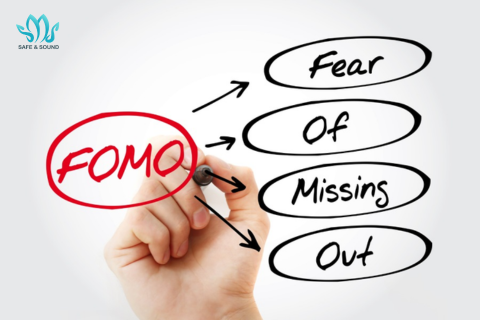
What is FOMO?
According to psychologists, this feeling can have a significant negative impact on your mental health. When you become caught up in comparing yourself to others, you can easily fall into states of anxiety, low self-esteem, and even loneliness, even when surrounded by loved ones. Psychologists say this not only reduces the quality of life but also leads to stress and mental health problems.
2. Why does FOMO become so strong during the holiday season?
The year-end holiday season is a special time filled with lively social activities. People often share joyful moments on social media, from cozy family gatherings to amazing vacations. These images can make you feel like you're missing out on an important part of life. Psychologists suggest that the presence of social media has amplified this feeling, as people tend to showcase their lives in the most beautiful and perfect way possible.
Psychologists believe that this comparison creates a feeling of insecurity and easily leads to stress and anxiety. Exposure to an overload of information from social media not only causes a loss of self-control but also makes you more prone to anxiety, especially during a sensitive time like the year-end holiday season.
Furthermore, psychologists suggest that FOMO (Fear of Missing Out) also stems from each person's social needs. We have an instinct to want to fit in, to feel like we belong to a group, especially during important occasions like festivals. When unable to participate in these social activities, you may feel excluded or isolated, which further intensifies FOMO.

See also: A beginner's guide to practicing mindfulness to reduce stress
3. The impact of FOMO on mental health
Psychologists emphasize that when FOMO (fear of missing out) is not controlled, it can cause many mental health problems. One of the most obvious effects is anxiety. When you worry that you're missing out on great moments, this feeling prevents you from relaxing and enjoying what you have. This can lead to dissatisfaction with your current life, reduced mental well-being, and constant stress.
Furthermore, FOMO can increase levels of depression. Feelings of inadequacy and inability to connect with others can make you feel lonely and sad, especially when you see others having fun while you can't participate. This can lead to a significant decline in mental health, causing you to lose confidence and feel like a failure. However, according to psychologists, if you recognize and consciously confront FOMO, you can control these feelings and maintain better mental health, even during the year-end holiday season.
.png)
4. How to overcome FOMO during the holiday season
4.1 Focus on gratitude
One effective way to reduce feelings of FOMO (fear of missing out) is to practice gratitude. Take time to acknowledge and appreciate what you have, instead of focusing on what you lack. Psychologists recommend that practicing gratitude reduces stress, boosts self-confidence, and improves mental health. When you feel grateful for simple yet meaningful moments, you'll find it easier to reduce anxiety and focus on what truly matters.
4.2 Limiting exposure to social media
Psychologists advise reducing your social media time, especially during the holiday season. Constantly seeing other people's pictures can lead to comparisons and feelings of inadequacy. Instead, enjoy genuine moments with family and friends or spend time alone.
4.3 Set realistic expectations
Not everyone can participate in every activity during the holiday season, and that's perfectly normal. Set realistic expectations for yourself and learn to say "no" to events that aren't truly important. Psychologists suggest that knowing how to politely decline is a way to protect your mental health and avoid feeling pressured and stressed.
4.4 Create your own activities
Instead of just waiting for events organized by others, proactively create fun activities for yourself or your family. Psychologists say this not only helps reduce feelings of loneliness but also provides memorable experiences during the holiday season.

Create your own fun activities.
Safe and Sound Clinic - Family mental and health support
With a team of experienced doctors and specialists, Safe and Sound Clinic is a pioneer in comprehensive healthcare, offering services ranging from medical to psychological care.
"Early preparation - Timely support - Long-term partnership."
If you suspect you have a mental health problem, or would like more information about our counseling services, please contact our HOTLINE at 0964 778 911 (Phone/Zalo, 24/7) for prompt assistance and answers!
HOW TO SCHEDULE AN APPOINTMENT for online or in-person consultation with a specialist.
- On the SNS Psychologist Fanpage
- Alternatively, download and schedule a consultation on the Safe and Sound app to manage and track your appointments anytime, anywhere.
Safe and Sound is part of the Institute of Applied Medical Technology (IMT).

See more:
- Tips to reduce stress and pressure during Tet (Part 2)
- Tips to reduce stress and pressure during Tet (Part 1)
3 exercises that are good for your mental health that you need to know.
